The Albums That Actually Justify Owning a Disc (And Why They Don’t Exist on Streaming)
Let me make you feel bad about your Spotify subscription for a minute.
Not in the audiophile way not the “you can’t even hear the harmonic distortion in that MP3, you peasant” way. I already wrote about that in the Snake Oil post. This is the other argument: the one about what you’re actually missing. Not the sample rate. Not the bit depth. The following discs are what I consider some of the very best of the high res formats. The version of the album that the mastering engineer spent three weeks on, that the label released on a format you have to drive to a record store to buy or special order at the SDE shop and that nobody has touched since 2003.
Some of these are Atmos discs where the spatial mix is genuinely revelatory. Some are 5.1 surround or SACD where the mastering engineers went back to the original analog tapes with nothing to prove and nobody breathing down their neck. All of them have a disc version that is audibly, demonstrably, not the same thing as what’s on your streaming service.
Here’s the list. I’ve owned all of these. Some of them changed how I thought about these albums sonically.
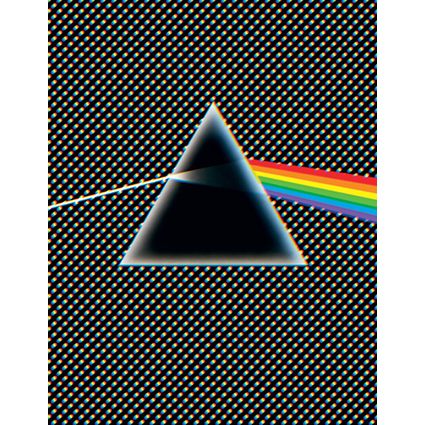
Pink Floyd — Dark Side of the Moon 50th (Blu-ray, Dolby Atmos)
Let’s start with the one everyone knows.
The 2023 Atmos mix supervised by James Guthrie who’s been the custodian of the Floyd catalog for decades puts you inside the album rather than in front of it. The heartbeat at the start comes from behind you. The clocks on Time attack from everywhere. The cash register on Money arcs across the room. The synthesizer on Any Colour You Like is above you.
The streaming version on Apple Music and Tidal has an “Atmos” version too, and I’m going to be honest with you about it: it’s lossy DD+ at a fraction of the bitrate of the disc, spatially virtualized for headphones, and it sounds perfectly fine but it is not the same experience. The disc is TrueHD lossless Atmos going bitstream to an AVR with actual height channels. One is a photograph of the Grand Canyon. The other is standing there.
The earlier stereo masters on the SACD also have significantly more dynamic range than the louder remaster that ended up on streaming, if spatial audio isn’t your thing.
Worth it if: You have a 5.1.2 or better setup. Even two ceiling speakers changes this completely. Don’t bother with Atmos top firing speakers, they are a gimmick. This is the demo disc I use for every skeptic who walks into my listening room. Not one person has been indifferent even my mother who cares very little for music.
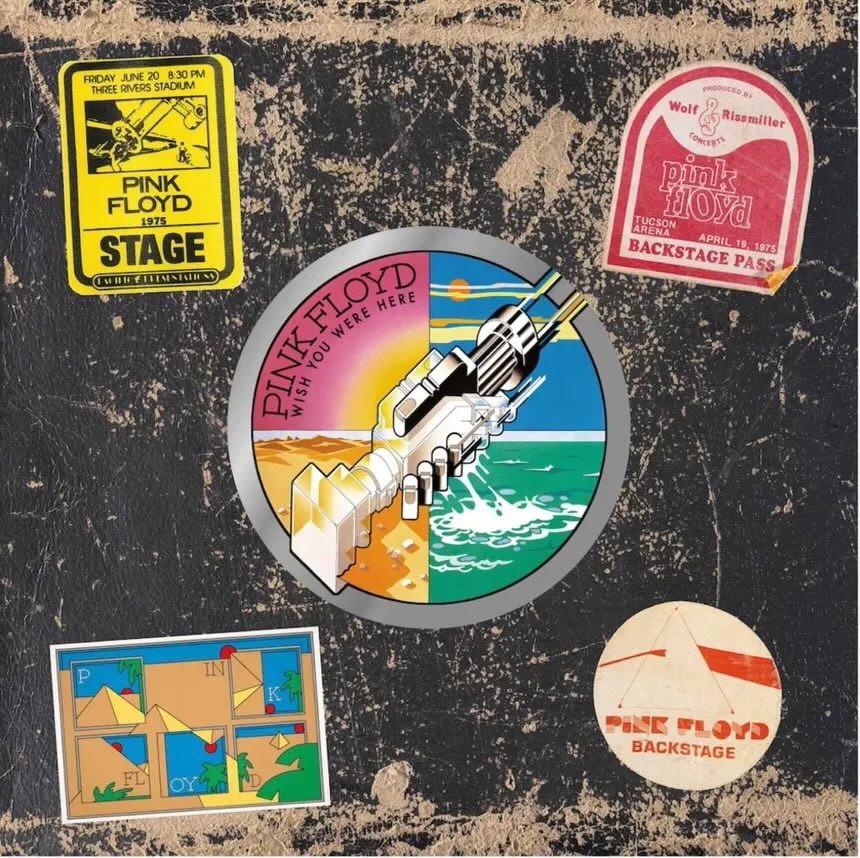
Pink Floyd — Wish You Were Here 50th (Blu-ray, Dolby Atmos)
Same era, same Guthrie, and in some ways the more emotionally devastating disc.
Shine On You Crazy Diamond in Atmos takes a song that already sounds like alien grief and makes it feel like the room is filling with something gradually hopeful. The guitar and synth pads decay into the space around you. Welcome to the Machine has industrial sounds circling overhead that you’ve probably never noticed because they’ve always been collapsed into two channels.
The streaming version exists. The disc version is a different experience. I’m not being precious about this. I’m describing what happens when you sit in a chair and listen to both.
Dire Straits — Brothers in Arms 40th (Blu-ray, Dolby Atmos)
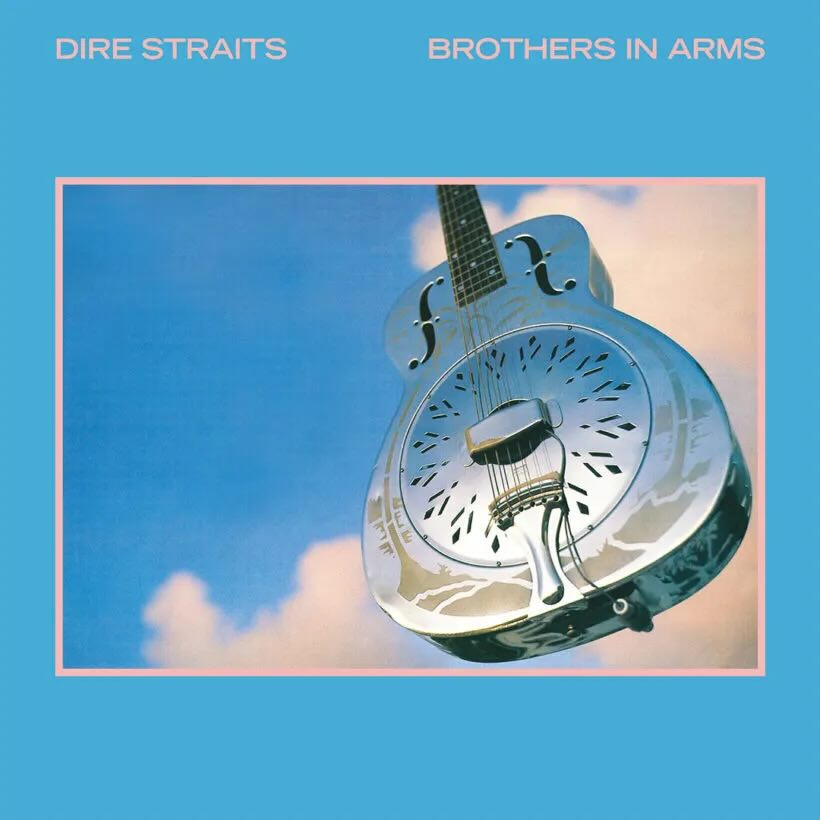
My father played the hell out of this album at every lake we water-skied at growing up. This album was one of the early hi-fi demo records back in the CD era, and the Atmos version is almost unfairly good for that purpose.
The original Brothers in Arms which was one of the first major label digital recordings, has a spacious, carefully placed mix — you can hear it even on the standard CD. Mark Knopfler’s guitar on the title track has this specific textured woody, dripping honey quality that rewards speakers with good resolution. The Atmos mix takes the spatial characteristics of the original recording and opens them up into the room around you. The percussion on Money for Nothing hits differently when it’s not fighting for space in two channels.
This is also an album where the mastering history matters, some of the earlier CD releases were pretty heavily processed by 90s standards. The disc master is more careful.
Beck — Sea Change (Blu-ray Pure Audio, DTS-HD MA 5.1)
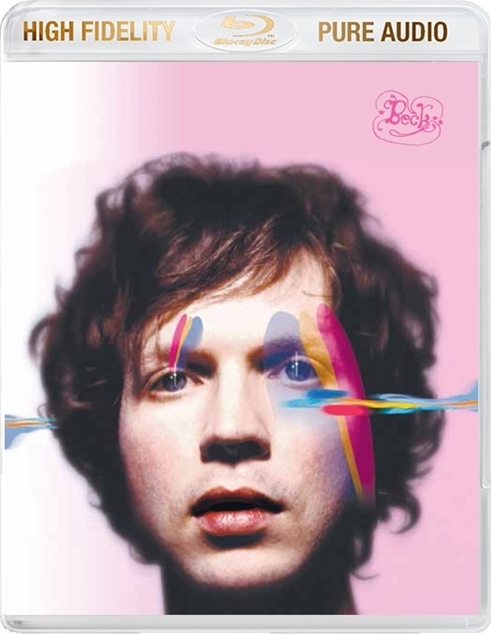
If you think of Beck as the Loser or Odelay guy, Sea Change is the record that will rearrange your idea of what he is. Recorded in 2002 with Nigel Godrich who does Radiohead’s records, if you need a reference point. It’s a breakup album that sounds like a very expensive breakup set to strings, pedal steel, acoustic guitar, and orchestral arrangements.
No Atmos on this one it’s a Blu-ray Pure Audio disc with DTS-HD MA 5.1 and stereo PCM at 24-bit/192kHz, which is honestly fine because the 5.1 mix is excellent and the recording doesn’t really need height channels to make its point. This is a mastering argument more than a spatial one. The 2013 Blu-ray goes back to the original analog masters at 24/192, and the dynamics are noticeably better preserved than what you’ll find on streaming. The genius Glockenspiel melody at the start of The Golden Age is so soothing and the low end on Round the Bend in particular is properly deep and textured, not compressed flat.
The 5.1 spread puts instruments in real locations around the room. Strings have actual positions. For well-recorded acoustic-leaning music, this is where the format argument lands hardest, because there’s nothing to hide behind.
Fleetwood Mac — Rumours (Blu-ray, Dolby Atmos)
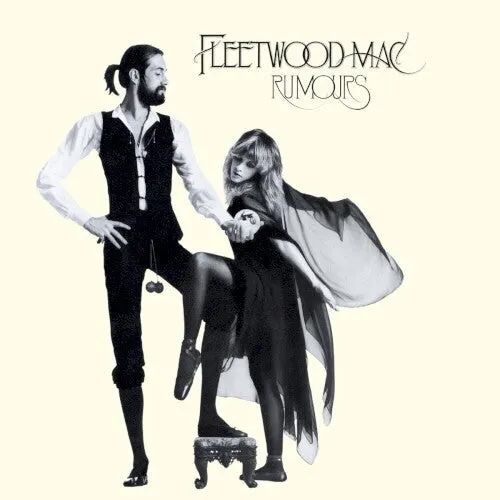
Rumours was recorded by people in the middle of completely imploding as a band, which is why it sounds the way it does. Every vocal performance is either furious or devastated and the 1977 recording captured that with no compression left on the table. I can really hear the difference in the cymbal crash at the start of Dreams.
The Atmos mix puts the backing vocals around you, which is where they’ve always wanted to be. Christine McVie, Lindsey Buckingham, and Stevie Nicks stacking harmonies across the room is one of those things where you can feel exactly what the original recording sessions were like. The stereo master has always been good. The Blu-ray Atmos disc is better.
The streaming version has the now-infamous mid-2000s remaster that’s noticeably more squashed than the original. This disc didn’t touch that mastering session.
Tears for Fears — Songs from the Big Chair (Blu-ray, Dolby Atmos)
This one surprised me!
The 80s production on Shout and Everybody Wants to Rule the World already has an enormous amount of space baked into it. The reverbs are long, the synth pads are wide, the drums have room around them. The Atmos mix takes all of that intentional space and actually puts it somewhere. There are a lot of multitrack layers that make up songs like Shout, and it becomes a proper immersive experience. The synth bass on Everybody Wants to Rule the World feels physical.
If your room sounds good and you want a disc that shows it off, this is one of the underrated ones. Nobody talks about it as much as the Floyd discs but it’s in the same conversation.
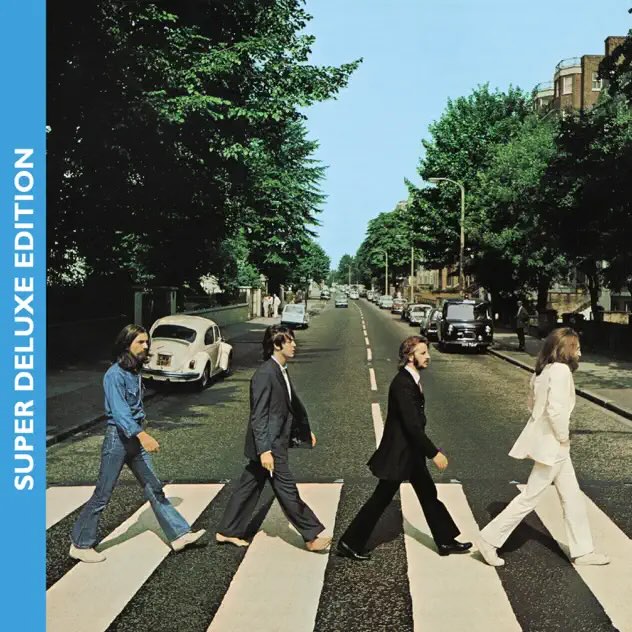
The Beatles — Abbey Road (Blu-ray, Dolby Atmos)
Giles Martin did this mix in 2019 and it’s the one that made the most noise in audiophile circles, and it deserved to.
The second side medley in Atmos is extraordinary. The way Because opens with that vocal harmony — John, Paul, and George stacked in very specific places around the room — is genuinely moving. The End has Ringo’s drum solo circling the room in a way that the stereo version can’t approximate. You can finally hear the individual string arrangements on Something. The real wow moment for me comes at the start of Come Together in Atmos on my 7.2.4 system. You can’t listen to that in Atmos with four ceiling speakers and not have a smile on your face.
This is also one of the discs where the mastering improvement is audible independent of the spatial audio. Giles Martin and Sam Okell did meticulous work restoring dynamics that got squeezed in earlier remasters. The disc is objectively better mastered than what’s previously been on the streaming platforms.
One honest caveat: unlike the other Atmos discs on this list, there is no standalone Blu-ray audio for Abbey Road. The Atmos mix only exists in the 2019 50th Anniversary Super Deluxe box set (3CD + Blu-ray), which runs $80-120 depending on where you find it. Whether that’s worth it for the Atmos disc plus three CDs of outtakes and sessions is a personal call. I’d say yes, but I’m aware of what I am.
The streaming Atmos version exists and it’s not the same. I said what I said.
Bob Marley — Legend (Blu-ray Pure Audio, DTS-HD MA 5.1)
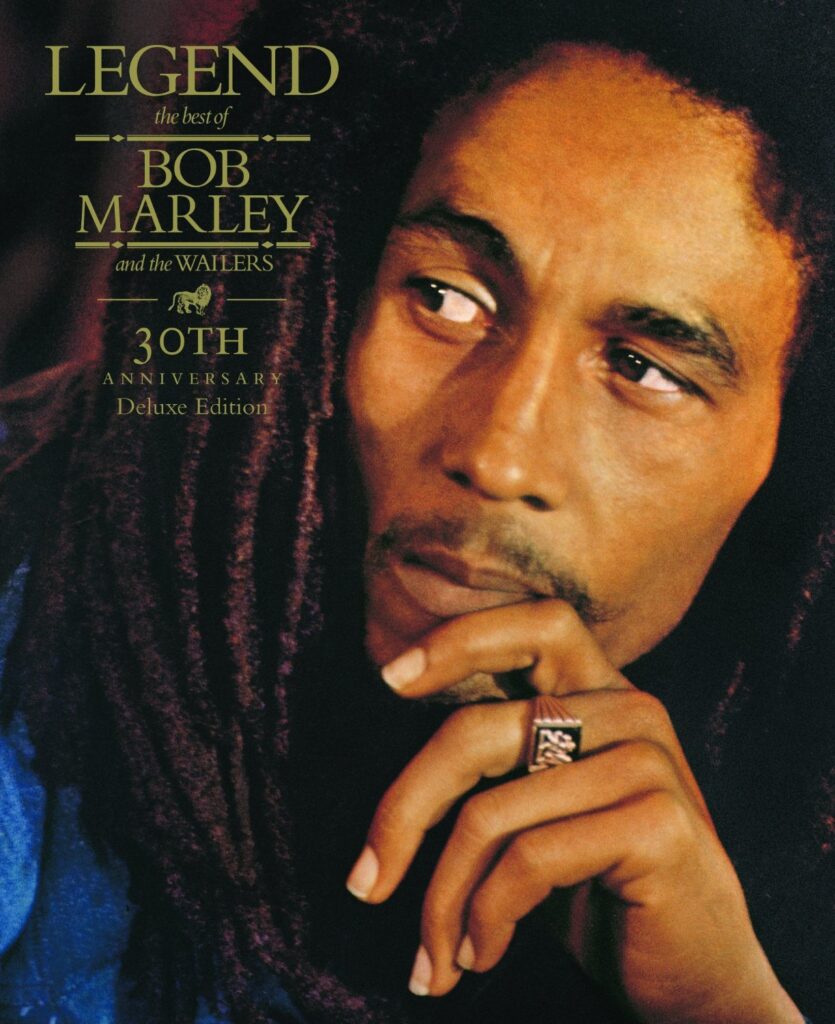
A greatest hits compilation which sounds like a strange thing to get excited about, but Legend was mixed carefully for this release and the 5.1 surround is warm and wide in a way that suits the material perfectly.
No Atmos here either — the 2014 Blu-ray Pure Audio disc features a 5.1 surround mix by Bob Clearmountain, plus PCM stereo. But Clearmountain knows what he’s doing with a reggae mix: the rhythm section opens up spatially in a way that makes the songs feel bigger without gimmicking them. No Woman, No Cry gets the studio version here instead of the live track that shipped on the original compilation, which is a different experience and honestly I’m not a fan of the studio version in comparison. Redemption Song sitting in the room like a real acoustic guitar performance. Buffalo Soldier with the organ and percussion spread in a way that finally has room to breathe.
The mastering history of Legend is a bit checkered — it’s been remastered multiple times with varying amounts of loudness processing. The disc version uses a more dynamic transfer and it’s the one to have.
Steely Dan — Aja (SACD)
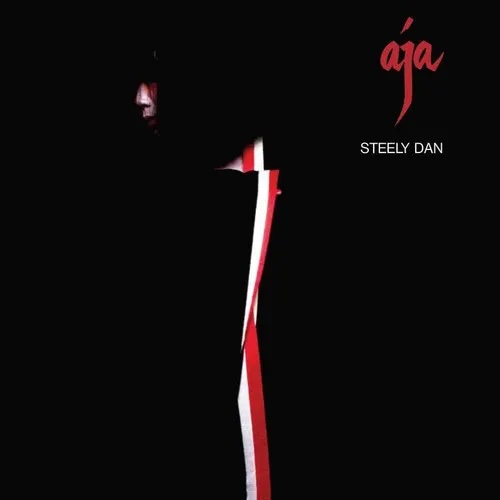
No Atmos here. This is purely a source recording and mastering argument.
Aja is one of the most carefully recorded albums in rock history. Walter Becker and Donald Fagen were anal retentive and obsessive about the recording quality, and the original 1977 analog masters sound incredible. The SACD uses high-resolution transfers from those original 2″ analog tapes, with dynamics preserved from a time before anyone decided records needed to be mastered for radio competition.
Aja is the only stereo disc in this post, and lacks a multichannel mix. After listening to an Atmos disc and then immediately switching to stereo, other discs can sound small and lacking space on a good system. Aja still sounds commanding and pristine. I’d love a multichannel version of Aja but it’s probably not going to happen since the two-inch multitrack master tapes for the songs “Aja” and “Black Cow” were lost.
The streaming version came from a CD remaster. It’s fine. The SACD is what happens when the engineering decisions that went into the original sessions are finally honored on a format that can hold them.
Peg, Deacon Blues, Josie — these are songs built around pristine studio performances with instruments in very specific places. On the SACD you hear the whole picture.
This is the disc I’d take to a desert island if I had to defend the mastering argument with one album.
Norah Jones — Come Away with Me (SACD)
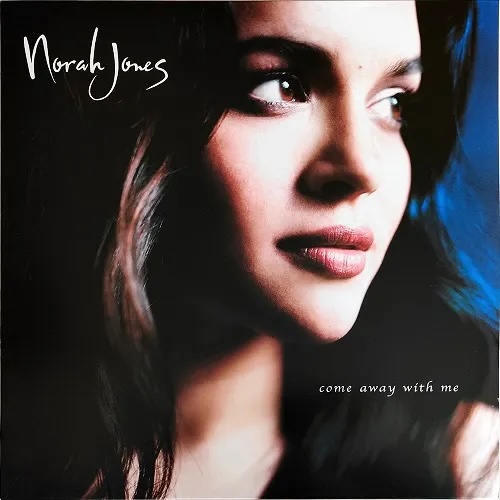
Come Away with Me won five Grammys in 2003 and the SACD version is one of the definitive demo discs of that era.
The production is sparse: voice, piano, stand-up bass, acoustic guitar, gentle drums. Everything recorded live, minimal processing, no wall-of-sound nonsense. The SACD captures what the microphones heard in the room with very little in between. You can hear the room itself.
The streaming version is not bad. The SACD is better. For well-recorded acoustic music, this format gap is where the mastering argument is most audible, because there’s less to hide behind.
Buena Vista Social Club (DVD-Audio)
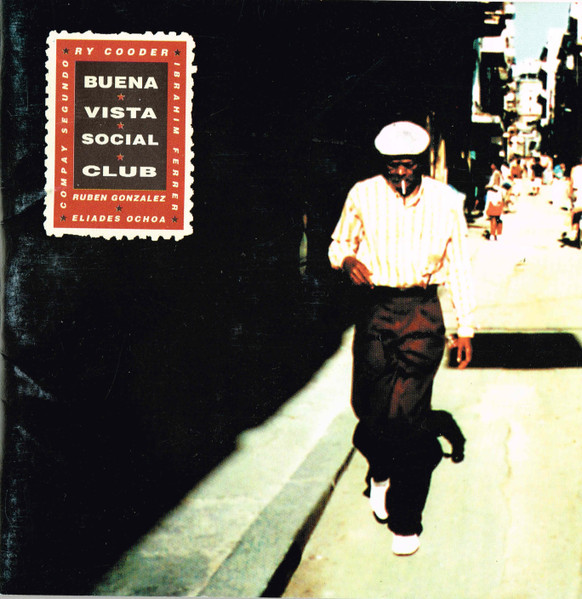
This one requires a DVD-Audio player or a DVD-A capable optical drive and some willingness to engage with ripping software, because DVD-Audio is a dead format that nobody in the mainstream thinks about anymore. Worth it anyway.
The original Ry Cooder-produced recording captured a group of Cuban musicians who had essentially been ignored by the world for decades, playing in conditions that weren’t exactly a top-tier studio, and somehow the result sounds like you’re in the room with them. The DVD-Audio release preserves a 5.1 mix with real multichannel audio not virtualized, not processed, but a proper spatial arrangement of the ensemble.
Ibrahim Ferrer’s voice on Candela from a properly calibrated surround setup is one of those things that makes you stop whatever you’re doing. The streaming version is a good recording. The disc is a performance.
The Practical Bit
Most of these discs cost $25-40 if you buy them new. Some are easier to find secondhand. The Steely Dan SACD and the Norah Jones SACD can be had for under $20 if you look. The exception is Abbey Road, which is only available as part of the box set — see above. For some of you out there they are all available digitally.
To get the audio out of them and into your media server without buying a dedicated SACD or Blu-ray player for every room, you extract it once and store the file. That’s what Lossless Extract does. The Atmos discs come out as TrueHD files with the object metadata intact. The SACDs come out as DSD. The DVD-Audio comes out as PCM. Your AVR doesn’t know the difference between a file on a NAS and a disc in a tray, as long as the file was extracted correctly.
The reason to own these discs isn’t nostalgia for physical media. It’s that these masters don’t exist anywhere else. The streaming services don’t have them and probably won’t get them, because the labels have no particular incentive to go back and re-license the careful analog transfers. The disc is the archive. Once you’ve extracted it, you own the best version of these albums that exists.
If there’s an album you think belongs on this list — SACD, DVD-A, or Atmos Blu-ray — let me know . The obvious ones I left off (Dire Straits’ other records, the Bowie remasters, early Blue Note jazz SACDs) deserved more than a bullet point and I’ll give them their own post.